


Texas is entering a very different period of electricity growth.
For much of the past two decades, electricity demand in ERCOT grew gradually. The market expanded alongside population, industrial activity and the Texas economy.
The next decade is expected to look different.
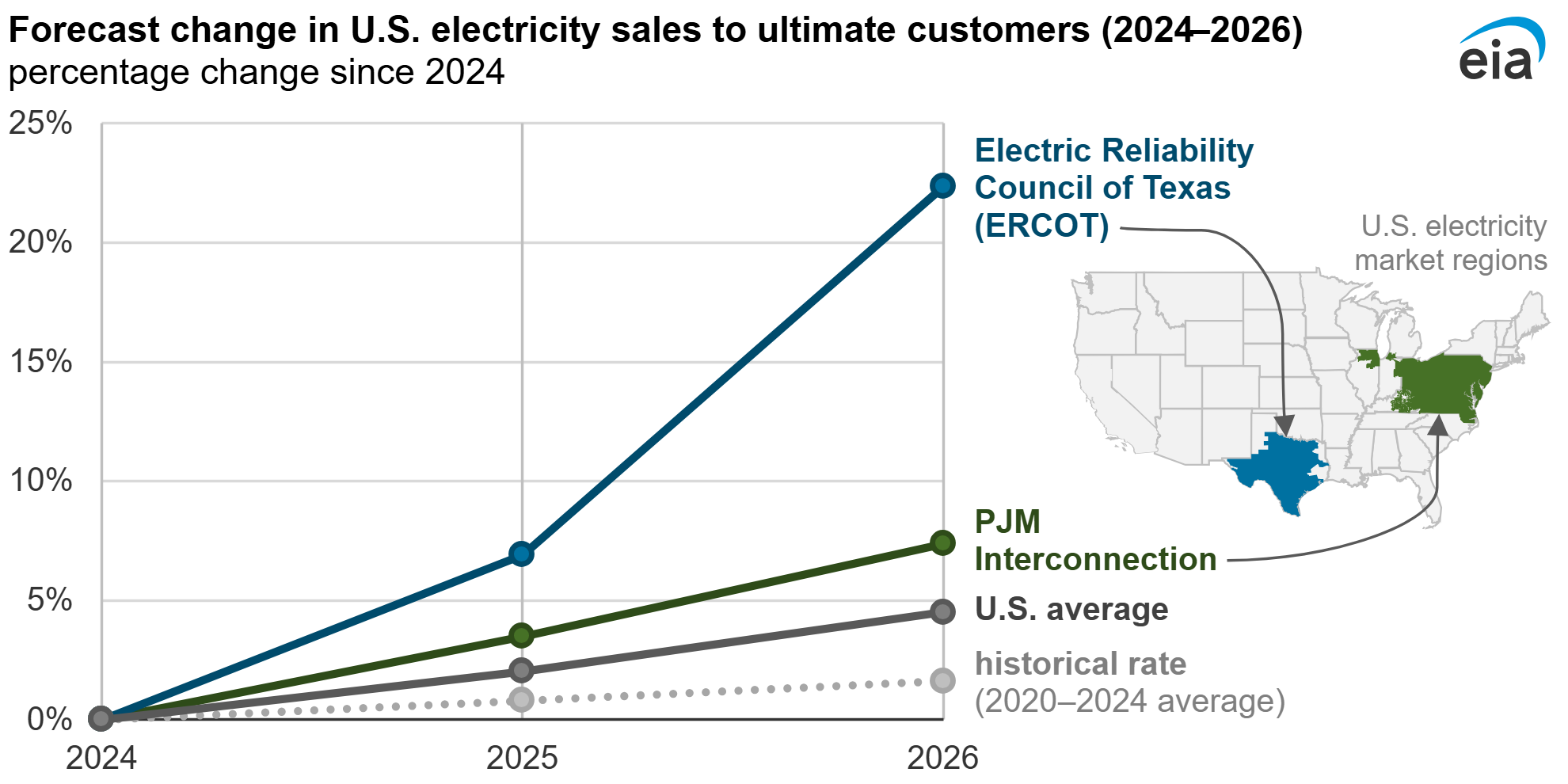
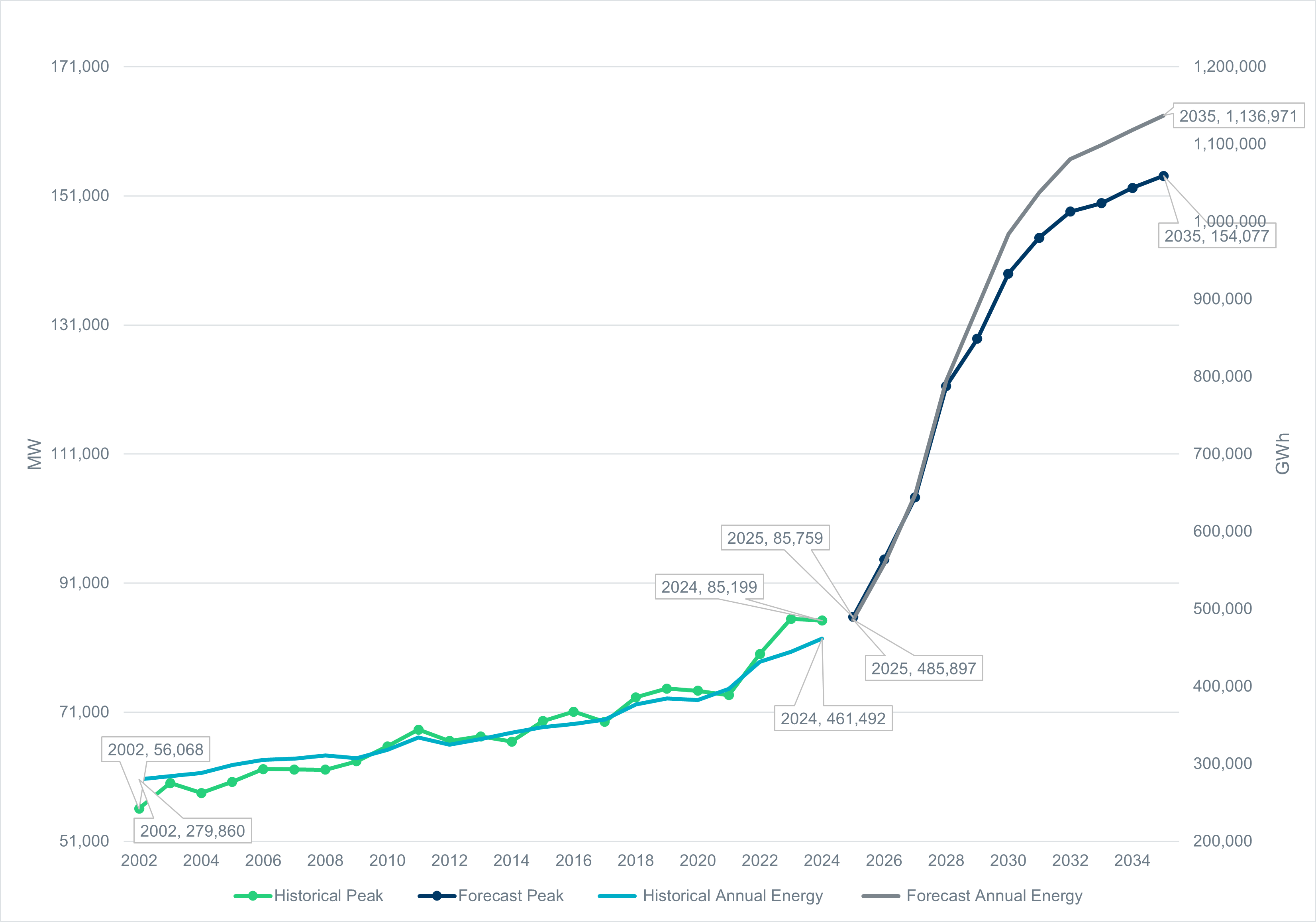
The U.S. Energy Information Administration expects electricity sales in ERCOT to grow substantially faster than the national average through 2026. Longer-term ERCOT forecasts point in the same direction, with new demand expected from data centers, industrial facilities, hydrogen, crypto, oil and gas, and continued economic development.
The exact numbers will change.
The direction is becoming harder to ignore.
What matters now is not only how much electricity Texas will need.
It is how that demand behaves.
A manufacturing plant, cold-storage facility, office portfolio and data center can consume similar amounts of electricity while interacting with the market very differently. When and how consistently a facility uses power affects its exposure to market conditions, and ultimately how that load is priced.
Texas has extraordinary visibility into the grid itself.
There is much less visibility into the economic characteristics of the businesses operating inside it.
That is the gap we want to study.
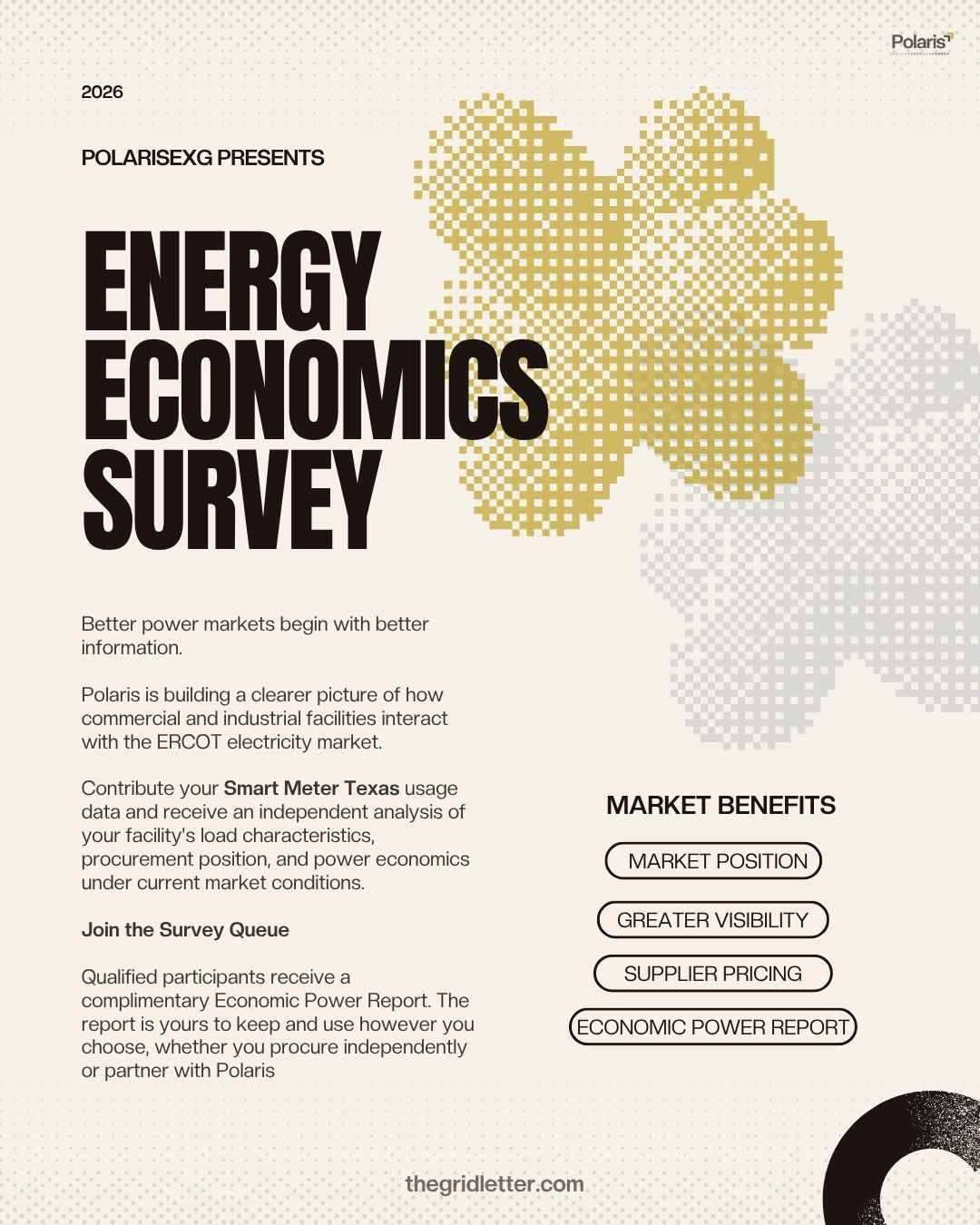
That gap is why we’re launching the Energy Economics Survey.
The idea is simple.
Qualified Texas businesses contribute their Smart Meter Texas usage data. Polaris analyzes how each facility uses electricity, how that load interacts with current market conditions, and what those characteristics may mean for procurement.
In return, participants receive an Economic Power Report an individualized view of their facility’s load profile, market position and power economics.
The report belongs to the participant. They can use it however they choose: to procure independently, work with an existing advisor, or partner with Polaris.
Over time, the research should also help us build a better picture of how commercial and industrial demand actually behaves inside ERCOT not just how large the system may become.
Read More From Us
Here’s what NRG's 20% surge in earnings means for Texas Businesses

The largest retail power provider in Texas posted its best Q1 in years, then told investors why the next decade looks even more extreme. Here is what that means for every business buying electricity in Houston.

